 登录 / 注册
How I Got Scammed by Litecoin:A Tale of Deception and Regret
摘要:Itstartedwithamessageonasocialmediaapp,oneI’dusedforyearswithoutincident.A“friend”...

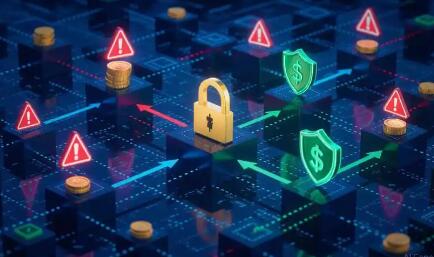
It started with a message on a social media app, one I’d used for years without incident. A “friend” I’d met in an online crypto group—someone I’d chatted with about Bitcoin and Ethereum for months—sent me a link with a urgent tone: “Litecoin’s having a flash sale! 50% off if you invest in the next hour. Use my referral code, and we both get bonus coins!”
At the time, I was new to cryptocurrency but eager to “get in early.” Litecoin, I’d heard, was called the “silver to Bitcoin’s gold”—cheaper, faster, and more accessible. The link looked legit: a sleek website with Litecoin’s logo, fake testimonials from “verified investors,” and a countdown timer ticking down from 10 minutes. My heart raced. If this was real, a small investment could turn into a fortune. I didn’t stop to verify the URL. I didn’t think to check if the site was affiliated with the official Litecoin Foundation. I just saw “opportunity” and panic.
I transferred $500 from my bank account to the site’s “wallet,” eager to claim my “discounted” coins. The site showed a “pending” status, then a “confirmed” message. “Success!” I thought. My “friend” messaged again: “Awesome! Now you need to activate your account with a small ‘mining fee’—$100 to unlock the bonus. The platform requires it to prevent fraud.”
Red flags should have waved then. Why would I pay more after investing? Why no mention of this fee earlier? But I was blinded by greed. I sent another $100. Then, silence. My “friend” went offline. The website “went down for maintenance.” The countdown timer froze at 00:00. When I tried to log in the next day, the site was gone. So was my $600.
That’s when the reality hit: I’d been scammed. I wasn’t “investing” in Litecoin—I’d sent money to a fake clone site designed to look like a legitimate crypto platform. My “friend” was likely part of a syndicate, using trust to lure me in. I reported it to the police, but they told me crypto scams are hard to trace, especially when the money is laundered through multiple wallets. I felt foolish, angry, and utterly betrayed.
In the weeks that followed, I learned a hard lesson: cryptocurrency scams prey on hope and haste. Litecoin, like all legitimate assets, doesn’t offer “flash sales” or “referral bonuses” that sound too good to be true. The official Litecoin Foundation never asks for “activation fees” via random links. I also discovered I wasn’t alone—thousands fall for similar scams every year, lured by fake social media accounts, phishing sites, and promises of “guaranteed returns.”
Today, I’m still rebuilding my finances, but I’ve also rebuilt my skepticism. I research every platform I use, verify URLs, and never send money to someone I haven’t met in person. Litecoin itself isn’t a scam—it’s a real cryptocurrency with a solid track record. But the people who exploit its reputation? They’re the real danger.
To anyone reading this: If it sounds too good to be true, it is. Don’t let the fear of missing out override your judgment. Crypto is volatile, but scams are predictable—and preventable. I learned the hard way. Don’t you make the same mistake.